
Tuberculosis
Overview
Tuberculosis (TB) is an infectious disease caused by the bacterium Mycobacterium tuberculosis. It most commonly affects the lungs but can also involve other organs such as lymph nodes, bones, meninges, the gastrointestinal tract and the genitourinary system.
Hong Kong is an area with an intermediate risk of TB. In the year 2021-2025, the annual notification number is around 3200-4000 cases per year, with an incidence rate of 40-50 per 100,000 population.
Transmission
TB spreads through the air. When a person with infectious pulmonary tuberculosis coughs, sneezes or talks, tiny droplets containing TB bacteria can be released into the air and inhaled by others.
It is estimated that about one quarter of the world’s population has been infected with TB bacteria. Most infected people have latent TB infection and do not feel sick or spread the disease. About 5–10% of infected individuals will eventually develop active TB disease.
Causes/ risk factors
- Newborns and the elderly
- Smokers or heavy alcohol users
- People with diabetes
- People with weakened immune systems, such as those taking immunosuppressive medications or living with HIV
- People with pneumoconiosis (dust‑related lung disease)
- People who recovered from TB within the past two years
Common Symptoms
- Persistent cough
- Coughing up blood (haemoptysis)
- Persistent fever
- Night sweats
- Chest pain when breathing
- Shortness of breath
- Weight loss
- Loss of appetite
- Fatigue
Diagnosis
Doctors will assess symptoms, medical history and perform a physical examination. Common investigations include:
- Chest X‑ray to look for lung abnormalities suggestive of TB
- Laboratory testing of sputum samples to detect TB bacteria
- Other samples such as urine or tissue depending on symptoms
- Tests such as interferon‑gamma release assay (IGRA) or the tuberculin skin test may help detect TB infection, but they cannot distinguish between latent infection and active disease.
Treatment and Management
Tuberculosis is a treatable disease. Treatment usually requires a combination of anti‑tuberculosis medications taken for at least six months. Good medication adherence is essential to ensure cure and prevent drug resistance. In Hong Kong, treatment is provided free of charge through the public health system.
Prevention
General advice as follow:
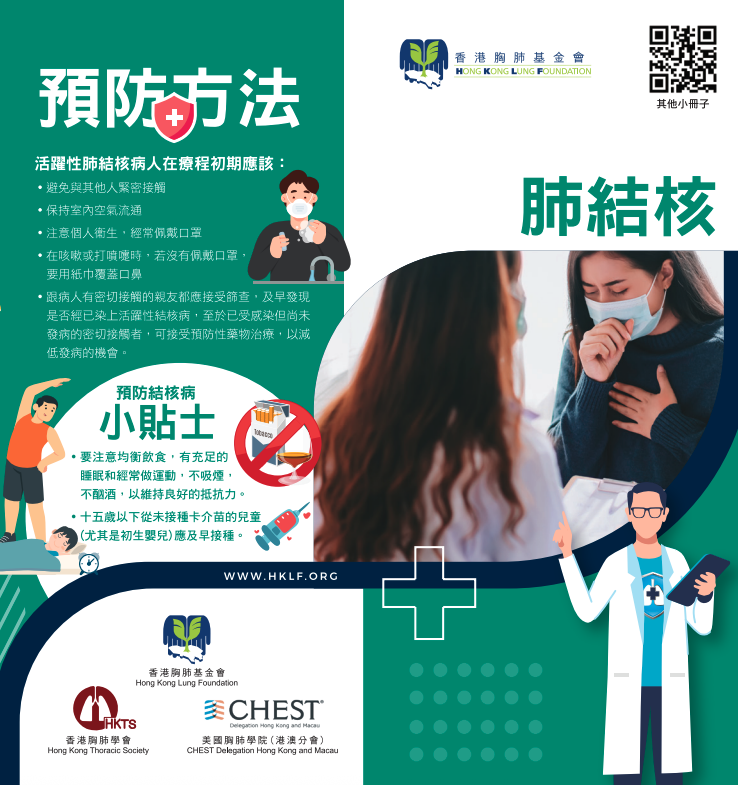
- Maintain a balanced diet
- Perform regular exercise
- Ensure adequate rest
- Do not smoke
- Do not abuse alcohol
- Vaccination (BCG) for newborn and those under 15 year-old and never received BCG vaccines
Individuals with active TB in the initial phase of treatment should:
- Prevent close contact with others
- Ensure good indoor ventilation
- Perform good personal hygiene. Wear surgical masks
- Cover your mouth or nose with napkin while sneeze/ cough
Individuals with close contact with TB: follow the contact tracing advice by Centre for Health Protection.
Individuals who are infected but asymptomatic: consult doctor for any need of prophylactic drug treatment
Last updated: March 2026