
Asthma
Overview
Asthma is a chronic inflammatory disease of the airways that affects millions of people worldwide. It is characterized by airway inflammation, bronchial hyperresponsiveness and usually reversible airflow obstruction. Symptoms can range from mild to severe. With appropriate treatment and monitoring, most people with asthma can live normal and active lives.
Asthma in Hong Kong
Studies show that asthma affects people of different age groups in Hong Kong.
| Age Group | Prevalence (%) | Notes |
|---|---|---|
| 6-7 Years (Primary School) | 7.9% | Based on ISAAC Phase III study data [1] |
| 13-14 Years (Secondary School) | 10.2% | Highest prevalence among adolescent groups [1] |
| University Students | 7.2% | Reflects prevalence in young adults [2] |
| Over 70 Years (Elderly) | 5.8% | Data shows a significant impact on the elderly [3] |
Common Symptoms
- Shortness of breath
- Wheezing (a whistling sound when breathing)
- Chest tightness
- Persistent cough, especially at night or during exercise
Symptoms often worsen at night, in the early morning, or during physical activity. If you experience these symptoms, consult a healthcare professional for a proper diagnosis.
Causes / Risk Factors
Asthma usually develops from a combination of genetic and environmental factors.
Genetic Factors
- Your risk of developing asthma is higher if it runs in your family. A genetic predisposition to allergies also increases asthma risk.
Common Environmental Triggers
- Dust mites and household dust
- Pet dander (hair and skin flakes)
- Pollen from plants and flowers
- Mold and mildew
- Air pollution and smoke
- Viral infections and colds
- Strong odors and chemical fumes
- Cold air and temperature changes
- Exercise and physical activity
- Stress and emotional factors
Treatment and Management
The aim of treatment is to control airway inflammation, reduce symptoms and prevent asthma attacks.
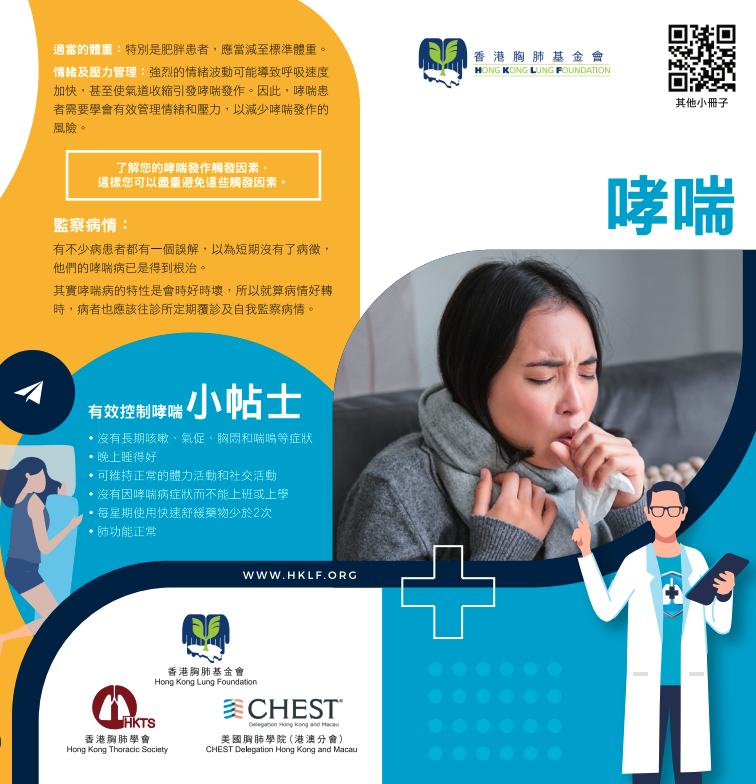
- Environmental Management: Identify and avoid triggers to prevent asthma attacks. This includes keeping your home clean, avoiding allergens, and reducing exposure to air pollution and smoke.
- Regular Medication Use: Use reliever and controller medications as prescribed by your doctor. Reliever medications (rescue inhalers) provide quick relief during an attack, while controller medications (maintenance inhalers) prevent symptoms when used daily.
- Monitoring Your Condition: Keep track of your symptoms and have regular check-ups with your healthcare provider. This helps ensure your asthma is well-controlled and your treatment is effective.
Common medications include:
- Reliever inhalers – short‑acting bronchodilators such as salbutamol for quick symptom relief
- Controller inhalers – inhaled corticosteroids such as budesonide or fluticasone used daily to reduce airway inflammation
- Combination inhalers – inhaled corticosteroids combined with long‑acting bronchodilators
- Other medications – leukotriene receptor antagonists such as montelukast
- Biologic therapies – for patients with severe asthma that remains poorly controlled despite standard inhaled therapy. In selected cases, doctors may consider biologic agents (e.g. anti‑IgE or anti‑interleukin therapies).
Short courses of oral corticosteroids may be needed during severe asthma attacks
Patients should use medications according to medical advice and attend regular follow‑up.
Living with Asthma
- Keep your bedroom clean and dust-free; wash bedding in hot water weekly.
- Avoid or minimize contact with pets if you are allergic to dander.
- Avoid secondhand smoke and air pollution.
- Maintain a healthy weight and exercise regularly.
- Manage stress through relaxation techniques.
- Get vaccinated for influenza and pneumonia.
- Use an air purifier if you live in a polluted area.
- Avoid foods with sulfites if they trigger your symptoms.
- Warm up properly before exercising.
- Take your medication exactly as prescribed.
Signs of Well‑Controlled Asthma
- No persistent cough, wheeze or chest tightness
- No night‑time asthma symptoms
- Normal daily activities without limitation
- Reliever inhaler needed less than twice per week
- Normal or near‑normal lung function
Last updated: March 2026